



As the days grow shorter and the trees blaze with fiery hues of crimson, gold, and amber, McHenry County becomes a living canvas of autumnal beauty — a vivid reminder of the deep, ancient roots beneath our feet. Long before roads were paved or towns established, this land thrived under the care of its original stewards: the Indigenous peoples.
This fall, as we observe Indigenous Peoples’ Day (Oct. 13) and Native American Heritage Month (November), consider stepping outside — not just to enjoy the season’s beauty, but to truly connect with it. Explore a local trail, breathe in the crisp air, and walk in the very footsteps of the Native nations that honored and shaped this land. These trails are more than scenic — they’re storytellers.
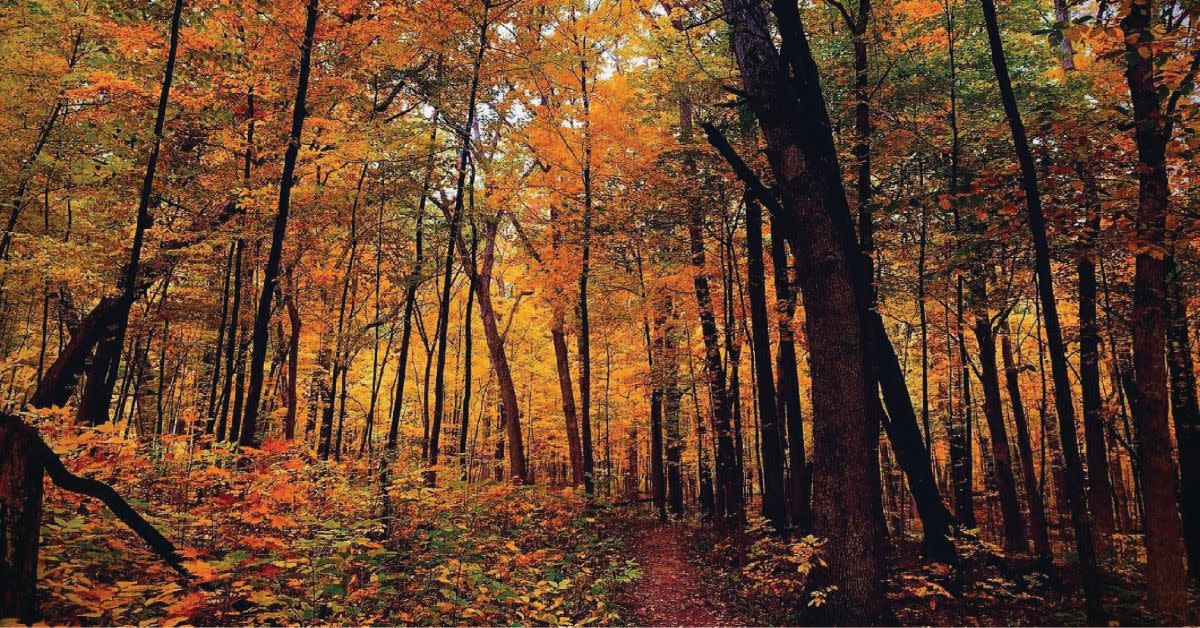
Photo credit: @Paula.marie816
Who Came Before Us?
Long before McHenry County bore its name, it was home to diverse Indigenous nations whose cultures were intimately woven into the land. These were not passing visitors; they were communities rooted here for generations. They fished the abundant rivers, hunted deer and elk through dense forests, cultivated corn and beans on fertile plains, and held sacred ceremonies under the stars. Their lives reflected a profound spiritual and ecological connection to the land, a legacy that still echoes in the soil beneath our feet.
A Legacy to Respect
McHenry County rests on the ancestral homelands of many Indigenous nations, including the Potawatomi, Ojibwe, Odawa, Sauk, and Meskwaki, according to the McHenry County Conservation District. For thousands of years, these communities traveled, traded, worshiped, and lived on this soil. The next time you hike a wooded trail, ride your bike down a quiet path, or rest near a flowing creek, pause and reflect. You’re walking where others once walked, not just for leisure, but for life.
Trails Etched with History
Many of the outdoor treasures around McHenry County are reflections of those Indigenous communities lived on. Visiting these sites is not only a chance to enjoy nature, but to engage with it meaningfully just as the Native Americans did centuries ago.
Download trail maps and more! Below are a few you won’t want to miss. Check out this list of sites, trail maps, and additional history!
Glacial Park Conservation Area (Ringwood)
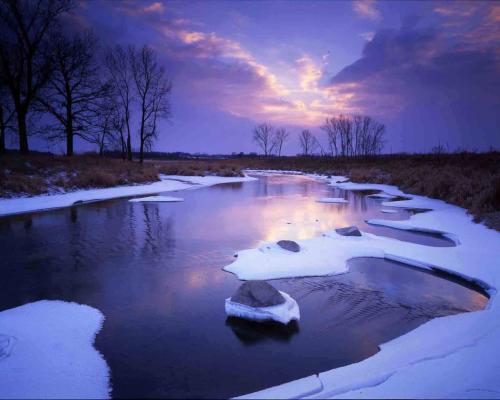
A breathtaking mosaic of wetlands, prairies, and ancient oak savannas, this 3,400-acre preserve is steeped in history. Here, the winding Nippersink Creek provides opportunities for paddling and fishing just as it did eons ago. Rugged trails rise and fall across the glaciated landscape, offering a glimpse of the unspoiled Northern Illinois outdoors as they appeared for generations after the Ice Age. Walk this fall, starting at the Lost Valley Visitor Center, stand atop the overlook, and picture the land as it once was — teeming with wildlife and lit by star-filled skies.
Coral Woods Conservation Area (Marengo)
This enchanting maple forest glows with autumn brilliance and has long offered its gifts. The Potawatomi and other Native nations tapped sugar maples here in spring — not just for syrup, but for medicine and ceremony, according to the McHenry County Historical Society. Visit in fall to see the land as they might have seen it — alive with color, memory, and meaning. Download their trail map and plan your journey today.
Prairie Trail (Countywide)
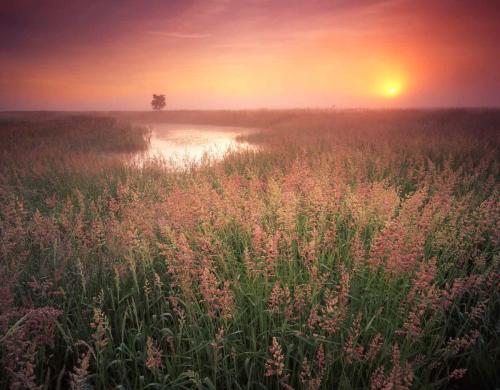
Just as the Native Americans followed generations-old trails sprawling across the Great Lakes region, you too can hike your way across the communities of Northern Illinois. Stretching 26 miles from Algonquin to the Wisconsin border, the Prairie Trail follows the old Chicago and Northwestern rail line that once ran from Kane County into Wisconsin. Bike or walk the trail today and feel the continuity of footsteps across generations.
Boone Creek Conservation Area (Bull Valley)
Quiet and reflective, Boone Creek offers a seasonal refuge to visitors of all ages with its clear waters, shady glades, and biodiversity. Hike across 2 miles of trails winding through this 608-acre refuge and soak in the natural beauty of the region just as generations past have done.
Gifts from Native Hands & Hearts
 The Indigenous legacy in McHenry County is not only etched in the land, but embedded in the life we live today:
- Place names like Illinois, Chicago, and Kishwaukee come from Native languages.
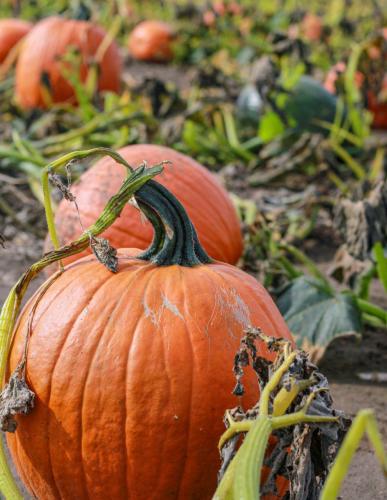
- Corn, beans, and squash — the “Three Sisters” — form the foundation of sustainable agriculture. In fact, Illinois produces more pumpkins than any other region in the world, according to the Illinois Farm Bureau.
- Practices like controlled burning and crop rotation are Indigenous innovations.
- Native plant medicine, and seasonal traditions continue to influence modern science and wellness.
Did You Know?
- Indigenous peoples arrived in Illinois more than 12,000 years ago, according to the Illinois State Museum, hunting mastodons and other Ice Age giants.
- Their village networks and trade routes connected communities across the Midwest.
- The region once teemed with bison and elk.
- Many Indigenous societies followed matrilineal family traditions.
- Today, groups like the Midwest SOARRING Foundation work to protect Native lands and repatriate sacred items.
How You Can Honor Native Heritage
You don’t need to be Indigenous or a historian to show respect. All it takes is presence and intention.
- Visit with purpose. — When exploring parks and trails, read signs, observe closely, and walk with mindfulness.
- Learn from Native voices. — Read books, attend events, or follow Native-led organizations.
- Acknowledge the land. — Begin meetings or gatherings by naming the Native nations of the region.
- Support Indigenous communities. — Buy from Native-owned businesses and share Native stories, art, and culture.
Upcoming Opportunities
Indigenous Peoples’ Day – Oct. 13
Look for local school programs, exhibits, and events across McHenry County.
Powwows & Cultural Festivals
Experience dance, music, food, and craftwork. Follow the Native American Chamber of Commerce of Illinois or Midwest SOARRING Foundation for upcoming events.
Heritage Hikes & Educational Walks
Join the McHenry County Conservation District for guided hikes focused on Indigenous land use, plants, and traditions such as the Glacial Park Interpretive Trail: A History of the Land.
McHenry County is more than picturesque landscapes — it’s also sacred ground shaped by thousands of years of care, culture, and community. Every creek, prairie, and forest trail holds stories that deserve to be heard. This autumn, let the falling leaves guide your steps. Let the wind carry whispers of old songs. Let your time with nature become a walk through history.
Share your experience! Do you have a favorite trail or natural space that connects you to the past? Are you honoring Indigenous heritage in your own way this season? Tag your photos and stories with #NaturallyMcHenryCounty!